Hip Care
Understand hip arthritis, non-surgical care, hip replacement options, and how Dr. Patel approaches the decision.
- 8 care pathways
- ~90% of primary replacements home the same day · practice data
- Clinically reviewed

The short answer
Hip care begins by identifying what is limiting movement, what has already been tried, and whether the examination and imaging point toward the hip. Surgery is considered when the hip is taking enough from daily life, non-surgical care has stopped holding the line, and the patient is ready to discuss it.
Hip Care pathways
Where each option fits.
Care starts with the diagnosis, not a procedure. Depending on cause and severity, the plan may be activity changes, therapy, injections, or surgery. These are the hip pathways Dr. Patel offers, and who each one tends to fit.
The approach question comes second.
Two of the ways surgeons reach the hip; the route differs, the joint is the same. The choice follows your anatomy and the plan.
How the anterior approach works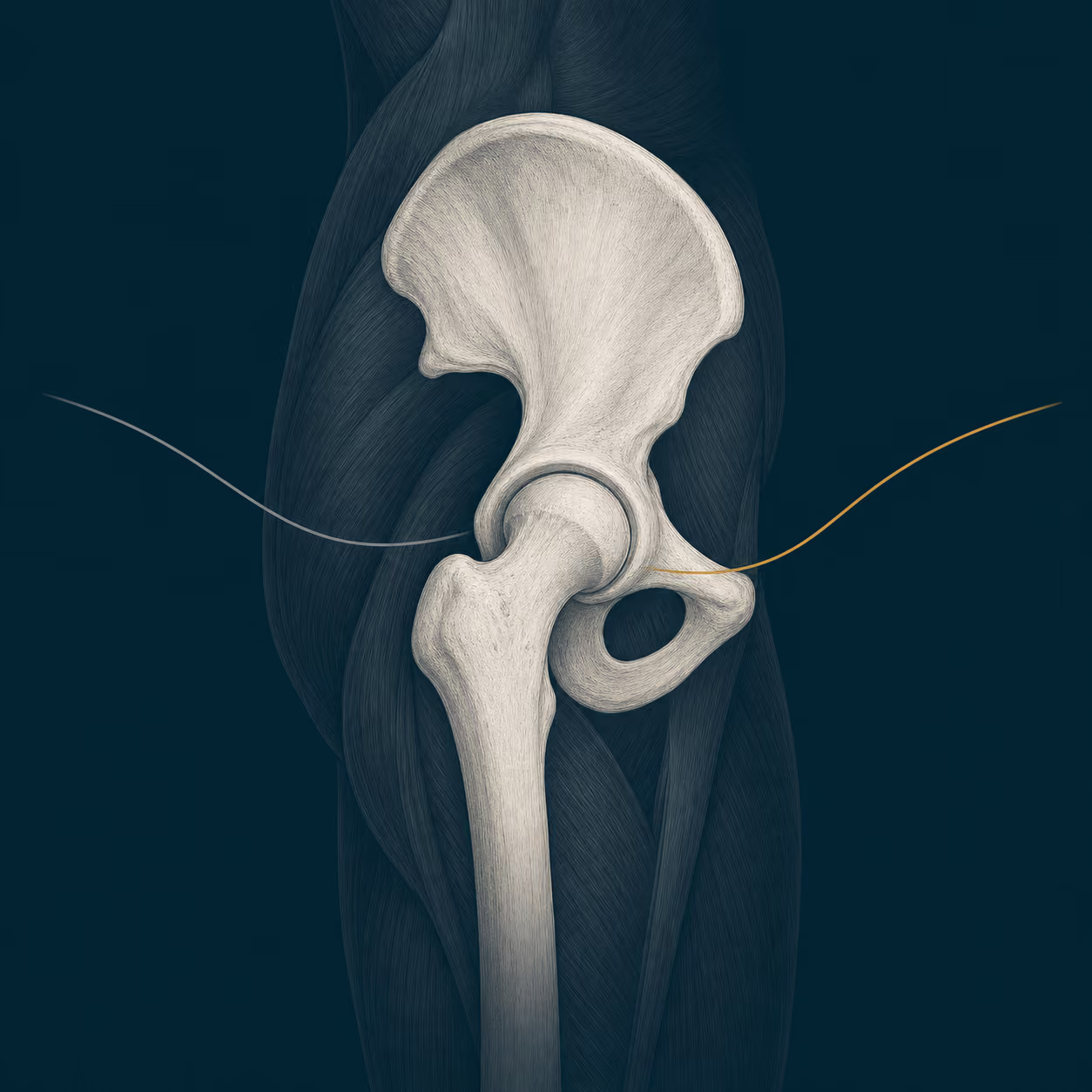
Interactive anatomy
Explore the hip without turning a picture into a diagnosis.
Use the named controls to compare a healthy and arthritic concept, then explore common symptom areas.
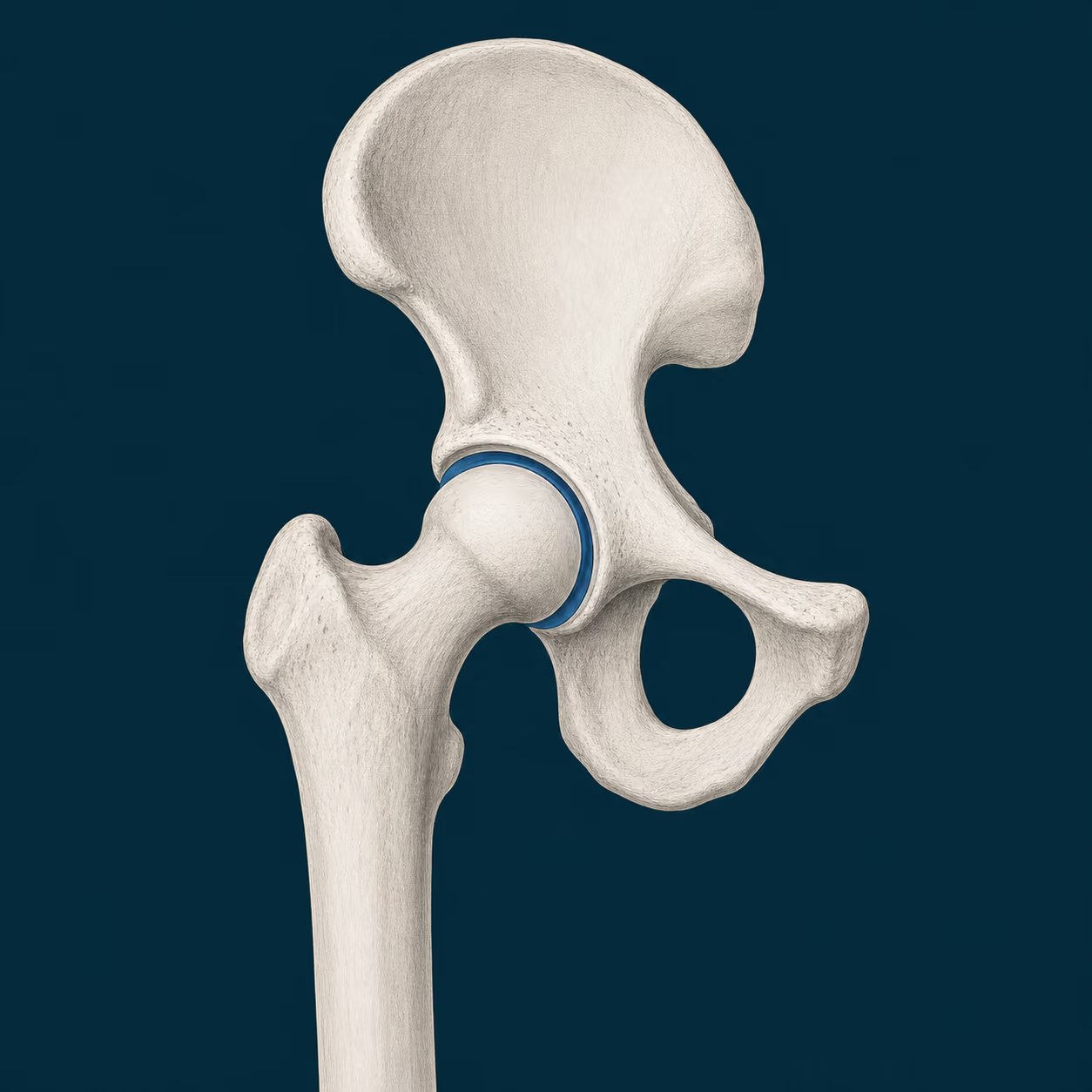
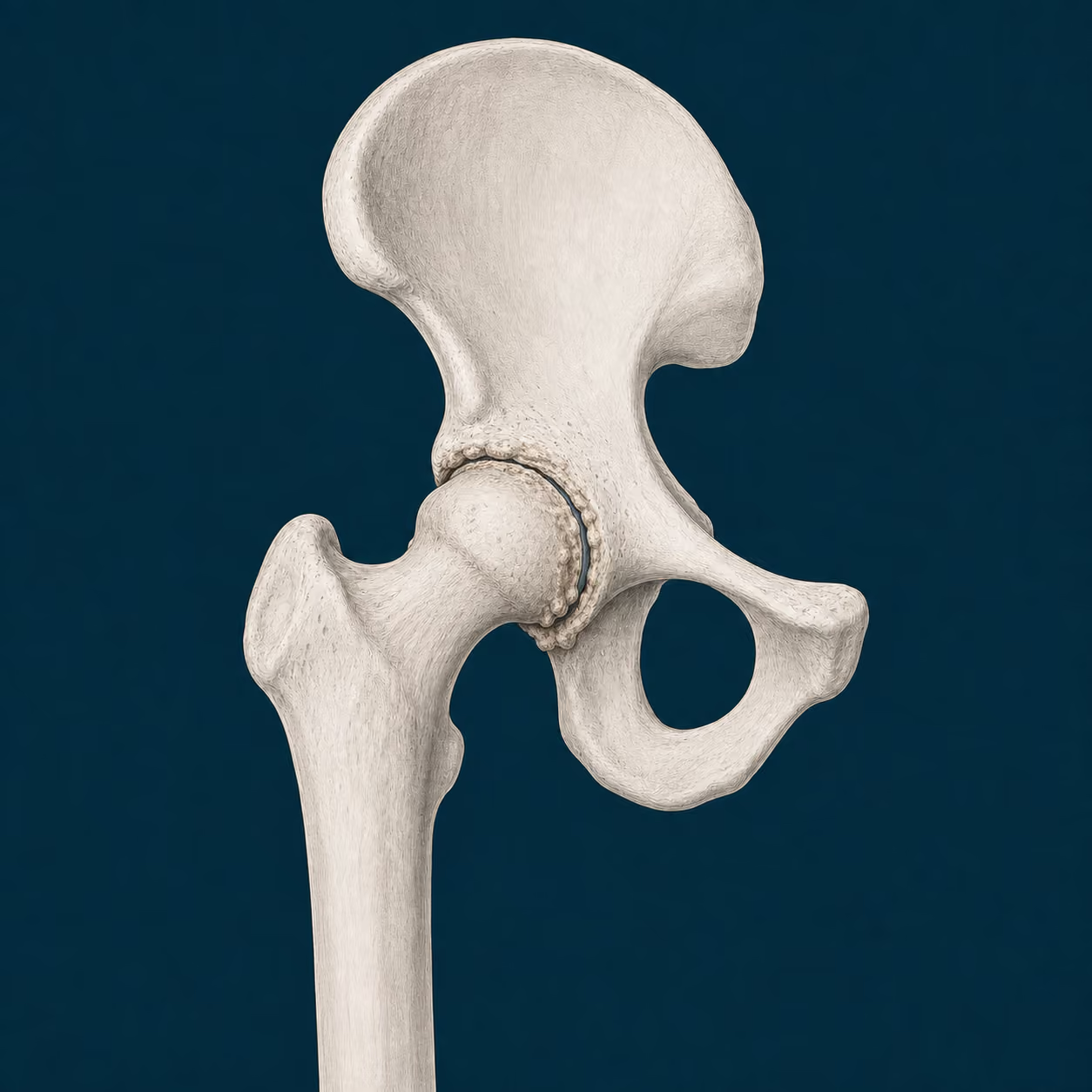
An educational illustration, not your joint: your care starts with an examination, not a picture.
Healthy joint concept
The illustration shows a smooth, visible joint space. A real evaluation depends on symptoms, examination, and appropriate imaging, not an illustration.
Explore symptom areas
Select an area to read why location can be useful context without becoming a self-diagnosis.
Pain location alone cannot diagnose the source.
Text equivalent
A healthy-joint concept shows smooth surfaces and a visible joint space. An arthritic-joint concept shows an irregular, narrowed space. These are simplified educational ideas, not a reading of your joint.
- Groin area: A deep groin ache, especially with the first steps after sitting or when rotating the leg, is the classic pattern of pain from the hip joint itself.
- Thigh area: Hip-joint pain often travels down the front of the thigh, so a thigh ache can start at a hip that never hurts where you would expect.
- Buttock area: The buttock is shared territory: the hip joint, the spine, and the muscle over both can all send pain here, which is why the examination, not the location, sorts it out.
- Knee area: Some hip problems are felt mostly at or near the knee, along a shared nerve path. A knee that hurts despite a normal knee examination is a reason to look at the hip.
Begin with the decision, not the incision
Groin pain, stiffness, sleep disruption, difficulty with shoes and socks, or a shorter walking range may prompt a hip evaluation. Those patterns are useful context, but they do not establish the diagnosis by themselves.
A focused visit brings together your story, examination, imaging, prior treatments, health, and goals. The result may be another non-surgical step, more information, or a discussion of replacement.

The first tee, again.
Areas served
Where hip patients drive from.
Each page below is written for one town: the real drive to the Noblesville clinic, the road a local would name, and where the operation itself would take place.
NoblesvilleFishersWestfieldCarmelZionsvilleGreenwoodKokomoAndersonTiptonPendletonPeruLogansport
Use the consultation to make the decision clearer.
- Is my pain coming from the hip or somewhere else?
- What non-surgical options remain?
- Would an anterior approach fit my anatomy?
- What should I improve before surgery?
Sources and further reading
- Total Hip ReplacementAmerican Academy of Orthopaedic Surgeons
- Total Hip ReplacementAmerican Association of Hip and Knee Surgeons