Robotics and Computer Navigation
How Dr. Patel uses the Mako robotic platform and other surgical technology as tools rather than substitutes for judgment.
The short answer
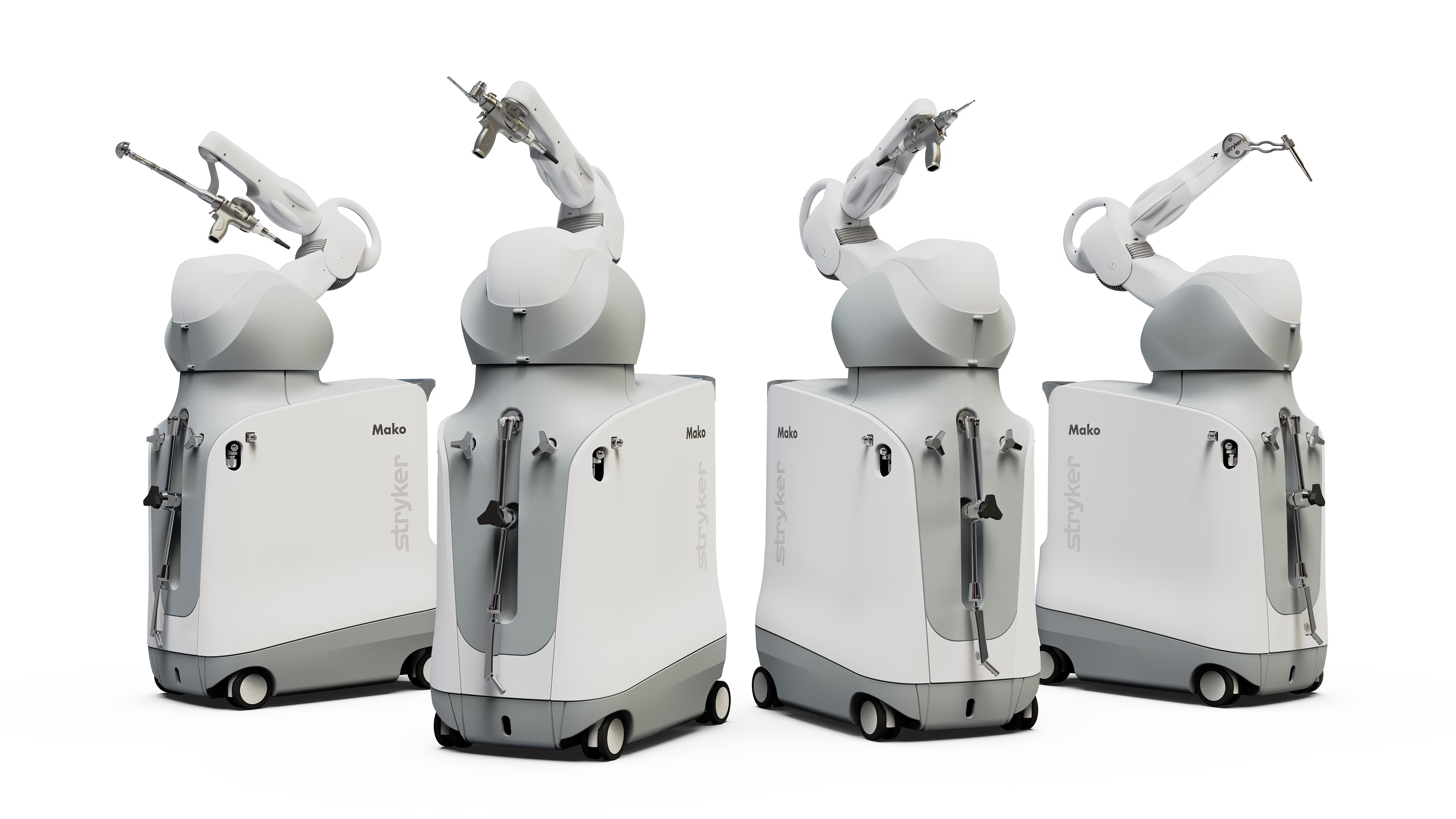
Robotics, computer navigation, and augmented reality can support planning and execution during selected joint replacements. Dr. Patel uses the Mako robotic platform for total knee, partial knee, total hip, and selected revision procedures, and chooses technology when it fits the operation rather than treating a platform as the reason for surgery.
What technology can support
These tools may provide measurements, planning information, and feedback during the operation. Their role varies by joint, procedure, anatomy, implant system, and surgeon workflow.
Technology does not determine whether a patient needs replacement, and it does not change the fundamentals: how the joint is opened, how the ligaments are balanced, how the implant is held in place, how complications are prevented, and the follow-through afterward.
The system in this practice
Dr. Patel performs robotic-assisted joint replacement on the Mako System and has worked with it for nearly a decade across training and practice. Naming the system is a statement of fact, not a claim that robotic surgery is better for every patient; that evidence discussion belongs in your consultation.
The useful patient question is why a tool is being used in this case and what decision it supports.
What the technology does not settle
A CT-based plan means an extra imaging appointment before surgery and a small radiation dose, and robotic assistance can add time in the operating room. The platform is set aside during surgery whenever safety calls for it.
Whether the added consistency translates into better long-term function or implant survival for every patient is still an active area of study, and this page will not claim otherwise. The robotic pages for the hip and the knee explain what the tool does in each joint.
Scan. Plan. Then guide the arm.
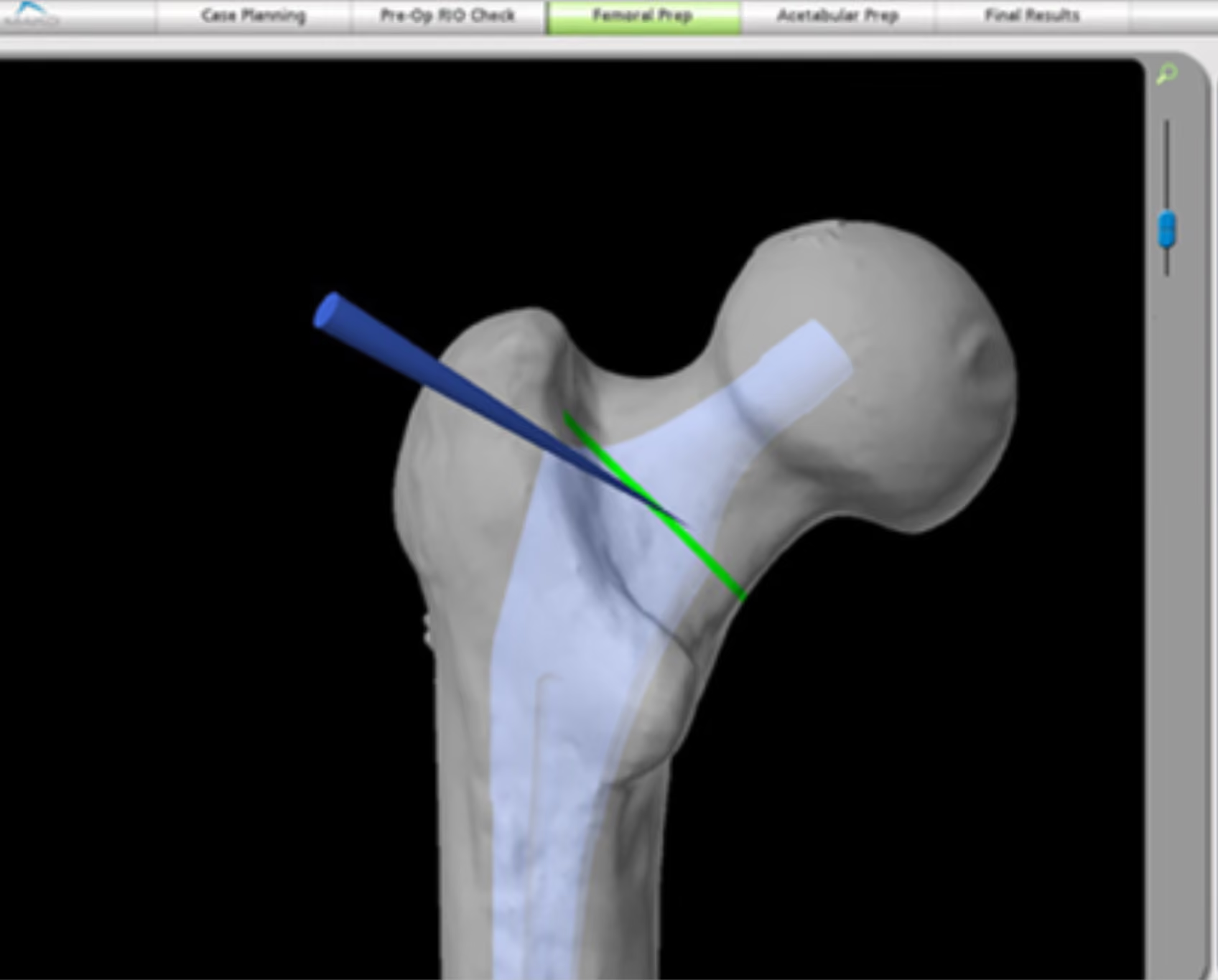
A CT scan of your joint is turned into a three-dimensional surgical plan before the operation. During surgery, the Mako robotic arm helps carry out that plan within boundaries Dr. Patel sets. He makes every decision, and the technology never operates on its own.
In the operating room, the three-dimensional model is registered, matched point by point, onto your actual bone. That step is what lets the plan guide the arm.
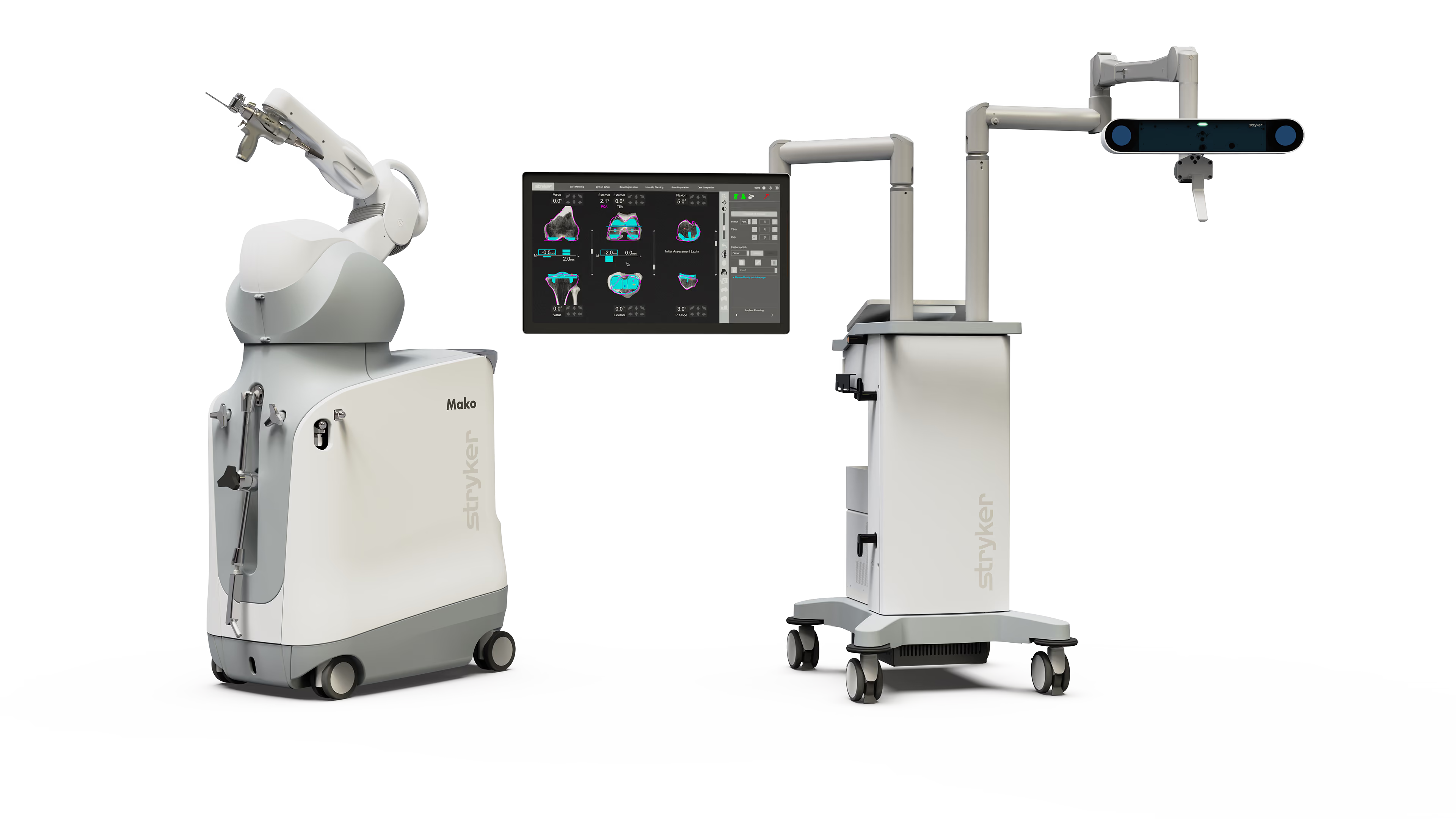
What the operating room actually looks like.
Real footage from a Mako robotic-assisted knee replacement: the draped robotic arm, the guidance screen, and the surgical team working the plan. No dramatization; this is the room as it is.
Areas served
Who travels in for robotic-assisted surgery.
The pages below take one town at a time: the drive, the road you would take, and the questions patients from that area ask most.
NoblesvilleFishersWestfieldCarmelZionsvilleGreenwoodKokomoAndersonTiptonPendletonPeruLogansport
Use the consultation to make the decision clearer.
- What decision does the technology support?
- Would you perform the operation without it?
- Does the tool change candidacy?
- Are there platform-specific limitations?
Sources and further reading
- Total Hip ReplacementAmerican Academy of Orthopaedic Surgeons
- Total Knee ReplacementAmerican Association of Hip and Knee Surgeons